

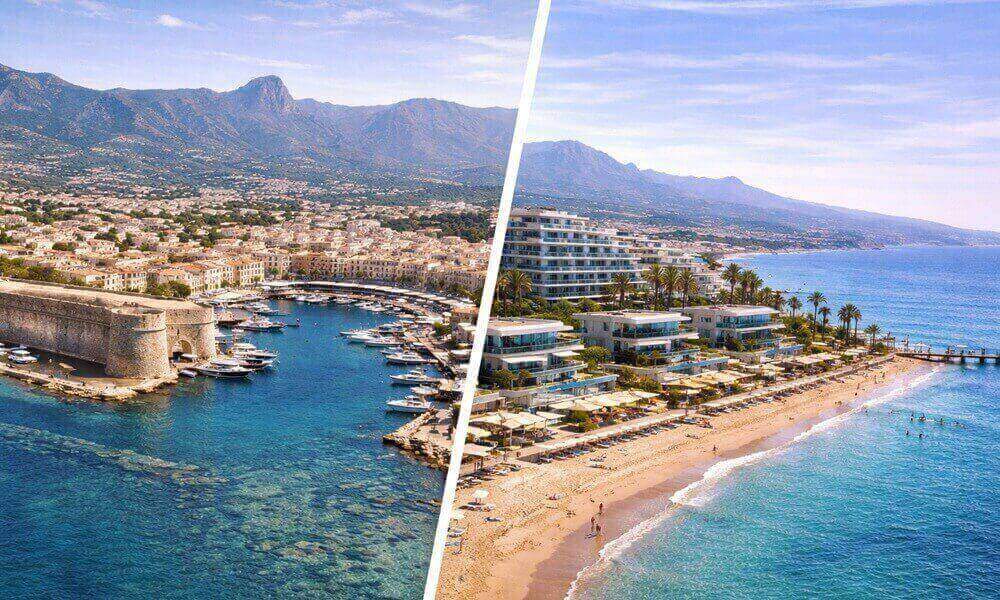
Which is a better choice in Northern Cyprus: Kyrenia or İskele? Explore the details on lifestyle, investment potential, and rental returns.
Home » Second Home in Northern Cyprus: Why Israelis Are Looking Beyond Israel

Many Israelis are seriously considering buying a second home in Northern Cyprus. A variety of motivations are in play here. One important reason is affordability. Real estate in Northern Cyprus is much less expensive than comparable property either in Israel or surrounding countries. For example, in Tel Aviv, Israel latest price per square meter is over 41,000 shekels (about €11,700), compared with about 9,000 lira (about €230) in Girne, where the European price-weighted average for a holiday home is less than €2,000 per square meter. Furthermore, in Israel the price-to-rent ratio of residential properties exceeds 18, while for Northern Cyprus it is 9 and within the European Union borders only Greece, Portugal, and Lithuania have lower ratios. Moreover, the real estate market in Northern Cyprus is presently suffering from depreciation and stagnation after a decade of continuous price rise, which should provide opportunistic buyers a good entry point. In addition, for many Israelis with access to some cash, a second home in Northern Cyprus valuable as part of a wider investment diversification due to the many major European markets nearby. Finally, as an extended community with strong family ties, the seasonality, leisure lifestyle, and safety of Northern Cyprus has always appealed to many Israelis. This is why those considering a buy a holiday home in Northern Cyprus may well conclude that a home half a day away can serve them better than anywhere else in the world.
Many issues merit consideration when investing in real estate in Northern Cyprus. Buying a property requires assurance that share title is held by the seller, that it generated the expected rental returns, and that the contractor completed the work promised. It is also valuable to work only with trusted real estate agents and have a lawyer present throughout the transaction, including the signing of any contracts.
For Israelis, Northern Cyprus real estate offers an attractive price-value relationship compared to Israel and the region. On-chip, coastal property in Turkey and within Turkey Cypriot borders, including Lerosa, Kyrenia, and Famagusta, are priced well below the fringes of price ranges assigned to comparable beachfront locations in Israel. Even off-chip Mediterranean areas of Northern Cyprus have lower price ceilings than those located off Chip regions in Israel. Price-to-rent ratios reflect this affordability draining holiday-home rentals. Properties to rent typically cost one-third to one-fifth of purchase prices, offering returns on investment through rent significantly higher than those in Israel. Since 2008, property prices in Northern Cyprus have exhibited little long-term appreciation. The confluence of these long-standing characteristics continues to make purchase prices attractive for those seeking future use and/or for investment.
Additional, contrasting demographic patterns may now offer some growth potential. For holders of non-Turkish currency, depreciation of the Turkish lira against their currency has in some cases rendered properties cheaper than before, prompting other buyers to enter the market. Worldwide recovery from the effects of COVID-19 is again encouraging tourism growth. Whether this new cycle will also stimulate longer-term emigration trends remains to be seen. As Russians exploited opportunities opened up by the war in Ukraine, some Israeli families waged inquiries into whether they would obtain permits to settle in Northern Cyprus. Some observers expect that rising demand, although from a low base, will gradually set in motion a new cycle of price appreciation.
Foreign buyers of residential property in Northern Cyprus benefit from an established, transparent system for acquiring real estate. Title deeds are routinely transferred by the Land Registry Department to the new owner once approval is granted. This process protects the legal rights of the buyer so as to ensure no encumbrances undermine the investment.
The Cyprus Turkish government grants property deeds to foreign financial investors in Northern Cyprus. Deeds are awarded for land, residences, businesses, hotels, and tourism facilities; they can only be sold to third parties after seven years. Buyers of a holiday home can apply for a visa to stay for three months freely, without renewals, provided they can open a bank account in the Turkish Republic of Northern Cyprus, and they are not planning to work.
Israelis eyeing a second home in Northern Cyprus have many local and regional options, including Central Europe, the Asia-Pacific, or onshore investments. Yet Northern Cyprus possesses qualities that add value beyond straightforward investment. For a second home serving multiple purposes, the unique attributes of Northern Cyprus enhance the offering.
Most prospective buyers with such preferences gravitate toward the south of the island, primarily for its proximity to Israel and good air links. The major towns there enjoy a rich tourist infrastructure, great resources for short stays, availability of extensive rental services, and scenic Mediterranean views. All these factors reinforce the demand and give expression to the advantages of island living. Summer heat, however, can be intense, making winter the most pleasant season. Long stays during the other cooler months are also possible, complemented by the added leisure and security of having a home close to Israel with many available flight connections and great weather.
The colder winter season, on the other hand, feels especially long in Israel and can even lead to serious boredom. Having a winter escape not far away, whether for vacations or even for longer periods, is undeniably attractive. Also appealing are the cultural similarities with Cyprus, the shared religion, and the natural hospitality of the locals. Although Northern Cyprus has no long coastline, many beautiful beaches are just a short drive away.
Several places stand out in Northern Cyprus as ideal for holiday stays. Accessibility is key, with Larnaca Airport located only one hour away, providing year-round international connections. Local airports in Ercan and Paphos enable short direct flights from Tel Aviv, while quality roads lead to the coast and sightseeing sites. An excellent selection of restaurants offers diverse international fare, and proximity to the Turkish mainland ensures a large choice of fresh fish and seafood.
Moreover, Northern Cyprus boasts an exceptionally beautiful coastline with many stunning beaches. In addition, the history and culture of the island offer a wealth of exploration and discovery, all underpinned by safe and quiet living conditions. Finally, for the leisure-seeker, the Mediterranean weather and sunshine lend themselves to swimming and sunbathing from May to October, while the ideal months for hiking and exploring are March-April and November. Indeed, with the exception of December and January, Cyprus presents the opportunity for a Mediterranean-style holiday, lifestyle, and second home.
Israeli buyers of a second home in Northern Cyprus are not solely focused on financial returns. Quality of life considerations, such as a pleasant climate, relaxation and leisure, safety, cultural proximity, and the strong availability of a collegial environment, are important criteria. The island of Cyprus is a short and convenient trip from Israel and easy to reach, either for a weekend getaway or for a longer stay, while communities with quite large clusters of Israeli leisure sub-critical mass support shopping, food, and related requirements that make an extended stay easy.
Northern Cyprus has a Mediterranean climate, featuring hot and dry summers and mild winters, a significant winter season full of sun, and then a cool, comfortable period in spring and autumn. A real estate market with properties of all types, sizes, and prices – suitable for holiday investment and short stays during the sunny periods of summer and autumn that offer the country’s best leisure time. A range of summer and winter sports are possible, and many visitors spend months on the island with their families. As a result, safety is high on the list, being a Turkish republic with a strong Turkish air force and low crime rates. The ownership of a second home provides an additional choice of leisure places.

Buying a second home in Northern Cyprus offers Israelis desirable value and diversification, a stepping-stone to Europe, and the chance to share it with extended family. But navigating the process requires reliable information and experienced partners.
Israeli buyers should understand what the purchasing process entails. Most property transactions in Northern Cyprus are for freehold tenure. Title transfer is straightforward, although recent changes in government policy can slow the process. Buyers obtain a property ownership certificate, which provides some protection against local expropriation but may be meaningless in the event of escalation in the long-running Cyprus conflict. A family member with Turkish citizenship can also apply for a property ownership certificate on the buyer’s behalf, thus eliminating the approval requirement and accelerating title transfer.
Given the overall climate of uncertainty, prospective buyers are urged to make appropriate inquiries. Working with a reputable real estate agent and lawyer for due diligence can help identify unscrupulous developers and contractors. Buyers should avoid one-off offers and discounts that overstate the property’s attractiveness when compared to similar properties on the market. They should also request references from contractors and verify the existence of an escrow account when payment is made through a third party.
Property ownership in Northern Cyprus entails purchasing costs, ongoing expenses, and tax obligations. Buyers pay the standard 5% stamp duty, annual property tax, and purchase transfer tax of 6% for property valued up to GBP 120,000, 3% for property up to GBP 500,000, and 1% for higher-value properties. Maintenance costs average 0.7% of property value; in residence-operated sites, service fees cover maintenance and communal amenities. Annual electricity and water charges reflect usage.
Annual costs for a holiday property used only during vacations comprise property tax, insurance, maintenance, service fees, and water and electricity, plus any loans and interest. In private houses without a thriving rental market, a combined annual cost of 1.5%–2.5% of property value is typical, assuming five rent-free months. In popular tourist regions with a reliable rental market, total annual cost ranges from 1.0% to 1.5%, based on a four-month rent-free property occupation. Ongoing costs for a well-maintained open-air property in an organized holiday site average less than 1% of value per year.
The second home buyer’s journey in Northern Cyprus, or indeed anywhere, will be significantly smoother by taking the following six practical steps:
Following these steps will significantly limit exposure to risk, and no one should ever be afraid to ask for extra time to check anything.
While all real estate is essentially local, as a broad market trend Northern Cyprus may have seen better days for property sales. A slight decline in prices has been noted — often attributed to a new wave of construction on homes for sale in Northern Cyprus that had been sidelined by the pandemic and other reasons. Nevertheless, with property prices in Israel and elsewhere soaring, the gap in the price-to-rent ratio between Israeli homes and the really very reasonable prices of homes for sale in Northern Cyprus remains. Rental yields in Northern Cyprus also remain high, topping 3 percent for properties in a holiday island region with views from the terrace out to sea. Recent figures further suggest a limited reduction in prices of carefully chosen homes for sale in Northern Cyprus, meanwhile conveying that such properties continue to retain their charm. Properties commanding around 200,000 euros can still be found, with their owners enjoying high-quality living conditions, while the prices of carefully built, cozy houses for sale in Northern Cyprus also remain attractive.
There are Hebrew-speaking residents throughout Northern Cyprus, and the Mandarin-speaking community is growing. In the holiday island region of Northern Cyprus, properties in top condition yield around 3.5-4.5 percent. Holiday home demand is also on the rise in mountain locations, where property owners can regularly visit world-class ski and spa resorts, enjoy reputed wine-quality vineyards, and take part in the relatively cool summer and autumn months of Northern Cyprus. The relatively cool winter and spring mean lower construction costs for overseas property investors who rent out their property for the season at comparatively cheap rates and receive funding for both capital gains and capital returns. Thus, many landowners are now offering to manage these rentals, taking a small service fee in return. During the hot summer months, when temperatures can soar to 40 degrees Celsius, demand for such accommodation is again high, often leading to wishing lists.
A second home in Cyprus can be an alternative investment strategy, with rental potential that partly offsets expenses. Typical rental yields on homes advertised for sale in Northern Cyprus range from 3% to 5%, risk-adjusted forecasts point to limited capital losses in the medium term, and returns in the long term—inflation-adjusted house price indexes indicating returns of about 0.4% a year in euros—suggest prospects for modest capital appreciation.
Rental potential is seasonal; demand is highest in July and August, when occupancy rates exceed 90%, and vacation rentals during the cooler months can generate some income, especially during holidays that appeal to a local and regional market. Buyers planning a summer vacation can arrange add-on rentals through a property-manager partner. Local specialists maintain homes, providing a degree of comfort for absentee owners.
Second Home in Northern Cyprus: How Do Rental Opportunities Support a Second Home Strategy?
Israeli buyers of homes for sale Northern Cyprus often do so not just for leisure but also as an investment decision. Rental returns on holiday properties, even when modest in absolute terms, can justify a home purchase and make property ownership feasible. Seasonal hospitality demand for the holiday home often enough to cover all financing, tax, maintenance, and management costs. With the assistance of a reliable property management service, rental income can de-risk the holiday property investment. In many circumstances, a slight annual booking fee — plus the costs of wear and tear — are enough to produce a gross rental yield that exceeds a full-ownership holiday rental in another Mediterranean market — and providing a property in a warmer climate, with more sunshine days but similar climate across its seasons.
Apart from normal holiday demand for all styles of properties, Israelis form an especially active market during their own holiday weeks across the summer — and Northern Cyprus has also attracted some other national segments in large numbers during parts of the Orthodox Easter and Christmas periods.
The weakening shekel exposes a glaring drawback for Israeli buyers seeking a holiday home in Northern Cyprus. Nevertheless, currency-price fluctuations do not alter the underlying consideration of second-home ownership: the appeal of stable rental income that supports personal holiday use of the property alongside balanced returns across a diversified investment portfolio.
The recent rallying global markets has also led many travelers from Europe, the United Kingdom, Russia, and the wider CIS region to choose Northern Cyprus as a summer vacation destination. The net result has been rising rental demand, supported by solid rental yields, amid the ongoing absence of Israeli holidaymakers. Property available for rental in Northern Cyprus has therefore been tightening. With careful consideration, owning a second home in Northern Cyprus could become a strategic decision capable of surviving current currency volatility.
Like overseas property anywhere, fluctuations in local currency will impact budget and financing decisions based on the home’s purchase price. However, rental income more than compensates for currency depreciation. Once the immediate exposure to the shekel is covered, an appreciating local currency may even enhance holiday enjoyment and lower long-term maintenance costs. No less than the long-term merits of owning a home in Northern Cyprus for summer holidays, when ownership is not used for personal enjoyment, are evident. The summer holiday season in Northern Cyprus coincides with the heat in Israel, and attractive investment opportunities are apparent. During the summer months, resort properties within the vicinity of the sea can benefit from the growing flow of Russian, CIS, and British tourists. Demand from this sector is expected to continue expanding over the next few years. Such rentals yield tourist quality accommodation for the summer months, thus providing income that supports holidaying in the property when not in high rental demand.
Israeli buyers seeking a second home in Northern Cyprus are particularly sensitive to the shekel’s performance against the euro. For one thing, many expenses—telco fees, insurance, even light bills—are often paid in euros. The UK pound also impacts costs for the sizeable community of Anglo tourists, and hence for short-term local renters. Expenses are further affected by currency fluctuations when purchasing goods and services as longer-term visitors throughout the summer or shoulder seasons. Of course, prospective buyers who plan renting their homes out in the summer season can take advantage of favourable rates when earning rental income.
Although consideration of exchange rates might seem secondary for Israelis wealthy enough to afford a second home abroad, they have urgent implications for longer-term buyers seeking to operate in the underlying property market. For the substantial number of Israelis who elect to finance their holiday home with a euro mortgage, the shekel-euro rate is critical. Mortgages are repaid using shekels, and even a modest depreciation against the euro can lead to colossal surprises over the mortgage’s lifespan. Therefore, it is prudent to double-check stability both against the euro and the pound before signing on the dotted line. As Northern Cyprus property owners discovered in 2007, 2010, and recently again, it is also judicious to check the long-range outlook of input costs when building a home designed to facilitate selling it at a tidy profit later on.
Exchange rates significantly influence a budget for holiday home construction in Northern Cyprus, even more so when financing is required. With prices typically quoted in euro, a decision to take out a loan for securing a property needs to account for potential changes in the exchange rate with the shekel and the risk of rising interest rates in the eurozone.
Investing in a property involves many facets, and therefore, proper configuration of the purchase requires appropriate due diligence. Basic measures to safeguard buyers of homes for sale Northern Cyprus are straightforward and include three key steps: (1) confirming the legality of the title, (2) requesting the names of other contractors involved in the project, and (3) transferring funds via an escrow account. Being cautious when selecting a contractor and gathering references from previous clients is equally important.
If you own a holiday house in Northern Cyprus, it is perhaps the only real estate that allows easy travel without the risk of internal strife. Much like Swiss bonds, the benefits of owning in Northern Cyprus become visible only when other regions or assets are under stress.
For many other options, additional currency exposure is often not a benefit. If the NIS is weak, financing a holiday house in Europe becomes more expensive. Rental income for a house in Southern Spain might be crushed by cheap rental prices in Southern Italy, whose suffering economy is driving many inhabitants overseas. Tiny rental activity in Northern Cyprus might become an advantage because renting does not cover the annual maintenance bill (all cyclical properties should really be owned to rent only in the right seasons, but rarely is this judgement correctly made).
Yet many countries keep their economies in check and thoughtless sensitivity to the latest headline should be avoided. Thoughtless adaptive investment strategies work poorly over the long term. Northern Cyprus is hardly named in the news and has little emotional weight to taxpayers.
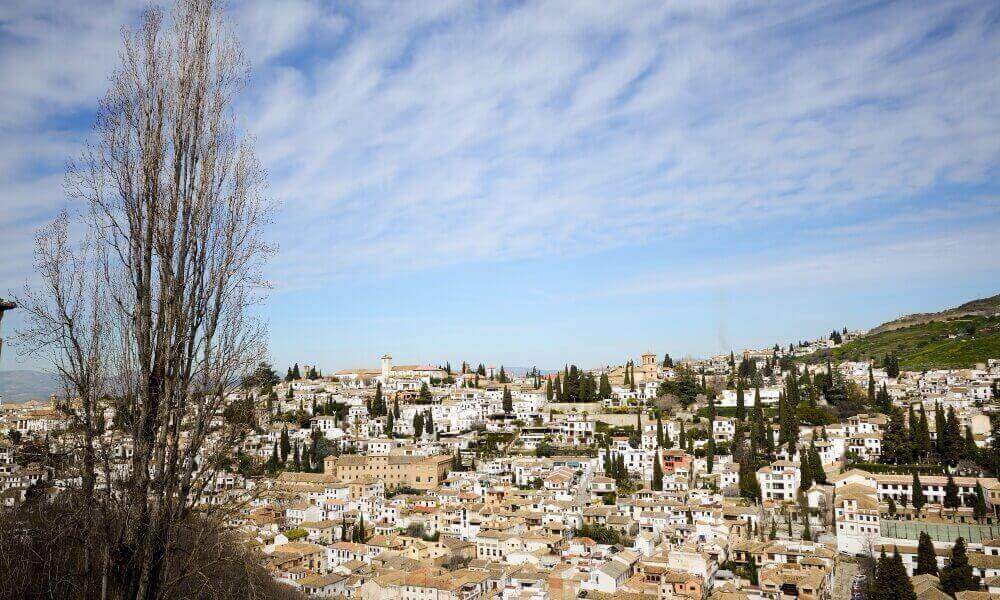
Owning a holiday home in Northern Cyprus can provide family enjoyment, capital growth, and income. Yet for many Israelis, a second home there also makes sense from a geographical, economic, and lifestyle perspective. In an unstable region, Northern Cyprus offers safety and an easy-going, leisurely holiday experience. The country is close enough for quick getaways and extended vacations, yet far enough from Israel for a real break. It enjoys warm weather most of the year and offers a chance to escape the stresses of home and relax by the ocean. With familiar food and culture, it feels like home.
More importantly, Northern Cyprus also offers a holiday experience that can be quite different from a home in Israel. While many people have built or bought villas in the coastal towns of Ashdod and Ashkelon, a holiday experience there is often limited to summer months. In contrast, a holiday home in Northern Cyprus can be used all year round, especially during the mild winters. The island is not yet a major winter sun destination, so accommodation prices and occupancy levels are generally lower than elsewhere. There are many nice places to stay for a few days or a week, but outside the main tourist areas, hotels and restaurants lack the family feel offered in Northern Cyprus. And even for short holidays, a hotel stay is never quite the same as a home where personal belongings are stored, a home-cooked meal can be enjoyed, and family visits can last longer than a few hours.
In light of the above, it is clear that a second home in Northern Cyprus may be more appealing than alternatives in the United States or elsewhere, as clearly laid out by seasoned experts examining the area. The local market has unique advantages not offered in other further macro-economically stable Western and European countries, such as price-to-rent ratios, travel distance, climate and the proximity of family and cultural background. These features are remarkably attractive, especially when the luxury of a second residence is available, and yet a Western lifestyle needs to be complemented with sufficient leisure time and a reasonable budget.
Properties offering a distance of only an hour’s flight from Israel for occasional week-long getaways, equipped with a swimming pool and located near sandy beaches, demand prices beginning at US$ 100,000, about one-fifth of similar accommodations in Israel. Additionally, the annual maintenance expense of property tax (approximately US$ 700), upkeep, and service fees can be covered by nine months’ rent. The flourishing tourism infrastructure not only meets holidaymakers’ requirements but also provides travel services within the North and to Turkey. The average temperature exceeds 20 degrees Celsius in about seven months a year; thus, the island is a privileged getaway for leisure during winter months when Israel and Europe are cold and wet. The peaceful, safe environment adds to the advantages. In short, the attractiveness of the geographical, historical and cultural position of Northern Cyprus, combined with other macroeconomic conditions, has resulted in a significant growth in demand for properties by Israelis.
Which is a better choice in Northern Cyprus: Kyrenia or İskele? Explore the details on lifestyle, investment potential, and rental returns.

Here you can find details about the experiences of foreigners living in Northern Cyprus, social life, cost of living, and a peaceful life on the Mediterranean coast.

A new life in Northern Cyprus with secure community living for families, modern housing projects, and increasing comfort standards.
Hello!
